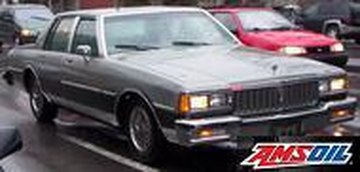
Maintaining the 5.7L Diesel Engine in a 1982 Pontiac PARISIENNE
Proper engine care for a diesel-powered vehicle requires a disciplined approach to lubrication and routine inspections. For the 1982 Pontiac PARISIENNE equipped with the 5.7L Diesel engine, maintaining the integrity of the lubrication system is a primary factor in long-term operational stability. Because diesel engines operate under different thermal and mechanical stresses than gasoline counterparts, following specific maintenance protocols is essential for preserving engine health.Monitoring Lubrication Integrity and Fluid Condition
A critical aspect of diesel engine maintenance involves the regular observation of lubricant condition. Diesel engines can produce soot as a byproduct of combustion, which eventually enters the crankcase. Over time, this can affect the physical properties of the oil. Monitoring the appearance of the lubricant during routine checks can provide insight into how the engine is performing. If the oil appears excessively dark or shows signs of unusual texture, it may warrant an investigation into the service interval or the quality of the filtration being used. Furthermore, owners should be vigilant for any visible fluid seepage around the engine block or sealing surfaces. While some degree of seepage is common in older vehicles, identifying and addressing these areas early can prevent more significant issues. When inspecting for leaks, look closely at gaskets and seals to ensure they are maintaining their intended function.Observing Potential Operational Warning Signs
Maintaining awareness of how the vehicle behaves during operation is a vital part of proactive ownership. While many mechanical issues develop gradually, certain symptoms should be investigated promptly. For instance, any sudden changes in the way the engine sounds or vibrates may indicate that something requires attention. If you notice unusual exhaust smoke, this can be associated with various factors ranging from combustion efficiency to lubrication characteristics. Similarly, if a warning light or indicator appears on the dashboard related to oil levels or pressure, it necessitates immediate investigation. It is important to remember that these symptoms can have multiple underlying causes; therefore, they should be treated as signals for professional inspection rather than definitive proof of a specific component failure.Prioritizing Maintenance Based on Current Condition
As vehicles age, the most effective way to manage maintenance is to prioritize tasks based on the actual current state of the machine rather than relying solely on chronological age. For a 1982 Pontiac PARISIENNE, this means establishing a baseline of what is currently functioning correctly and what shows signs of wear. If you do not have a complete service history for the vehicle, your first priority should be to document current fluid levels, the condition of all major hoses (if present), and the state of any accessible belts. Once a baseline is established, maintenance efforts can be directed toward addressing active leaks or overdue service items first. This approach allows an owner to distinguish between necessary preventive maintenance and the unnecessary replacement of parts that are still in good working order. Keeping a detailed log of all completed repairs, fluid changes, and observed mechanical behaviors will assist in making informed decisions as the vehicle continues to age.Routine Inspection of Engine Compartment Components
Beyond the lubrication system, several other components within the engine compartment benefit from regular visual inspections. These checks help ensure that secondary systems are not contributing to engine stress or potential failures.- Hoses and Connections: If present, inspect all visible hoses for signs of cracking, softening, or bulging. Ensuring that connections remain tight and free of leaks is essential for maintaining system pressures.
- Drive Belts: If the engine is equipped with accessible drive belts, inspect them for evidence of glazing, fraying, or surface cracking. A belt that shows significant deterioration may eventually fail, affecting accessory operation.
- Electrical Integrity: Check that wiring and electrical connectors are secure and show no signs of heat damage or corrosion. Reliable electrical signals are necessary for the proper operation of various engine sensors and management systems.
- Air Filtration: Ensure the air intake system is clear of debris and that the filtration element is clean. A restricted air supply can impact combustion efficiency in a diesel engine.
Long-Term Ownership and Record Keeping
For owners of a 1982 Pontiac PARISIENNE, maintaining a comprehensive service history is one of the most effective ways to manage long-term maintenance costs and vehicle health. A well-documented history provides a clear picture of how the 5.7L Diesel engine has been treated over time. When reviewing past records, look for patterns in fluid consumption or frequent repairs. If no records exist, begin a new log immediately. Documenting every oil change, filter replacement, and minor repair creates a roadmap for future service. This documentation is particularly useful when determining if changes in maintenance needs are occurring as the vehicle ages. By tracking these details, you can move from reactive repairs to a more structured, preventive maintenance strategy that respects the specific requirements of the diesel engine.Practical Guidance for Buying Engine Oil for your 1982 Pontiac PARISIENNE 5.7L
When it is time to replenish the lubrication in your 5.7L Diesel engine, accuracy in selection is paramount. You must match the engine oil to the application-specific viscosity information already displayed on this webpage. Because different engines have specific requirements for how the lubricant flows under various conditions, using the correct grade is essential for the protection of internal components. When you are ready to purchase new lubricant, follow these steps:- Verify Application Data: Always refer back to the specific viscosity and oil type information provided in the application section of this page before making a purchase.
- Check Product Labeling: Before completing your purchase, confirm that the bottle you have selected matches the specifications listed above.
- Consider Formulations: Depending on the engine's current condition and mileage, you may choose between conventional, synthetic blend, or full synthetic formulations, provided they meet the specific requirements noted in the application information. Some high-mileage oil formulations contain additives intended for use in aging engines, including seal-conditioning additives, which may be a consideration for older seals.
- Confirm Quality Standards: Ensure the product meets the appropriate service classifications required for diesel applications as indicated in the technical data provided on this site.